
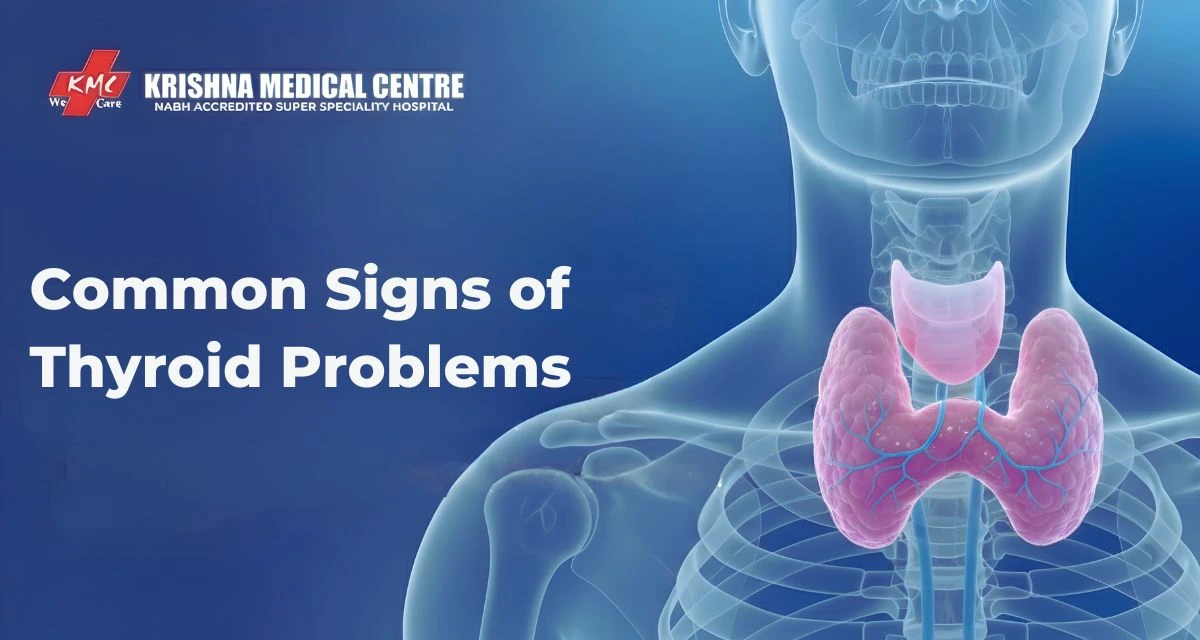
The thyroid is a small gland shaped like a butterfly that is in your neck, and it is a very important gland. It regulates significant functions such as the energy levels, metabolism, heart rate, and even mood. When the thyroid fails, a warning signal is usually emitted by your body that can be easily overlooked or disregarded.
There are various clues that can be shown by the body, such as a sudden change in weight, hair fall, or mood swings, as well as feeling unusually tired. It is essential to know the symptoms of thyroid issues as it can help in preventing chronic health problems and simplify the treatment process and its outcomes. In this guide, we will discuss thyroid issues and everything related to them, including the signs of thyroid disorder.
Why thyroid health should not be taken lightly
One should never neglect the health of the thyroid gland, as this small gland regulates a lot of functions within the body. It influences your energy, weight, digestive system, heart rate, mood, and sleep. Everyday activities appear challenging and exhausting when the thyroid is not functioning correctly.
People do not pay due attention to early symptoms, as many perceive them due to stress or lifestyle problems. But undiagnosed thyroid issues may gradually cause severe health issues.
The importance of paying attention to the symptoms of thyroid disorder and consulting a doctor promptly may allow controlling the disease before the first signs and staying healthy in general, and living a better quality of life.
What is the role of the thyroid gland?
Here are some of the common roles of the thyroid gland mentioned below. Have a look at them one by one.
1. Regulates Metabolism
The thyroid determines your body’s rate of energy consumption. It assists in the transformation of food into energy, with regard to weight gain or loss. With the right amount of thyroid hormones in your body, your body utilises maximum calories to produce energy, and you have energy to last a day with healthy body energy.
2. Controls Energy Levels
The amount of thyroid hormones determines much in your vigour or fatigue. The healthy thyroid makes you stay active, alert, and productive. On the days when it is not operating normally, you can experience fatigue, weakness, or unexpected lethargy despite a good rest.
3. Supports Heart Function
The thyroid assists in the regulation of heart rate and the circulation of blood. It makes sure that your heart pumps at a healthy and stable rate. The imbalances may cause an accelerated or decelerated heart rate, palpitations, or alteration of blood pressure.
4. Maintains Body Temperature
Your thyroid assists your body in adjusting to changes in temperature. It regulates the heat production through metabolism. In cases where thyroid is normal, your body is comfortable with normal temperatures, and this makes you more brawny in cold and heat.
5. Modifies Mood and Mental Health
Thyroid hormones influence the work of the brain and emotional state. When the thyroid is healthy, it helps to clear the mind, maintain a good mood, and be able to concentrate. Imbalance can be a cause of anxiety, depression, mood swings, or lack of concentration.
6. Grants Growth and Development
The thyroid plays a vital role in normal development, particularly among children and adolescents. It aids in the formation of bones, the development of the brain, and overall physical maturity. Healthy development and long-term well-being can be guaranteed by good thyroid function.
Common signs of thyroid problems
Here are some of the most common signs of thyroid problems mentioned below. Have a look at them one by one:
1. Unexplained Weight Changes
An abrupt weight gain or weight loss without dietary or exercise changes can indicate an imbalance in thyroid, as the gland directly regulates the utilization of energy and the storage of energy in your body.
2. Constant Fatigue
Constant fatigue despite sufficient sleep may be a sign of thyroid disorders. Decreased hormone levels tend to slow down body activities, leaving one tired and energy-depleted.
3. Hair Fall and Thinning
Having too much or too little hair, flat eyebrows, or frizzy hair can also be noticed in case of unbalanced thyroid hormones, which influence the hair development cycles and the condition of the scalp.
4. Mood Swings and Anxiety
Thyroid problems may cause irritability, anxiety, depression, or abrupt mood changes because thyroid hormones affect brain activity and emotional stability.
5. Changes in Heart Rate
The tachycardia, bradycardia, or palpitations also could be associated with thyroid dysfunction, as the thyroid hormones also regulate heart rate and blood flow. This is the common signs of thyroid problems that can cause big issue to the patient.
6. Sensitivity to Cold or Heat
Being unusually cold or hot compared to others can be an indication of thyroid problems because the gland regulates body temperature and heat generation.
7. Irregular Menstrual Cycle
Thyroid issues may be associated with heavy, irregular, or missed periods since thyroid hormone works synergistically with reproductive hormones in the body.
8. Swelling in the Neck Area
An enlarged thyroid can be detected by a visible swelling or lump at the neck, which is known as a goitre. These are not given much attention, yet they are typical symptoms of thyroid issues.
What are the early warning symptoms of thyroid?
To figure out the thyroid issues at an early stage, go through the early signs of thyroid problems mentioned below. It will help you to understand things in a better way.
1. Sudden Weight Changes
One of the most difficult to understand early symptoms of issues in your thyroid is unexplained weight gain or weight loss without dietary or activity alterations, which implies that your metabolism is not functioning correctly.
2. Constant Tiredness
The experience of constant fatigue despite well-restedness can be an indication of thyroid disproportions. Such constant exhaustion may gradually influence your productivity, concentration, and lifestyle.
3. Rapid or Slow Heartbeat
Observable modifications in heart rate, e.g., palpitations or abnormally slow pulse, cannot be overlooked as thyroid hormones directly interfere with the functioning of the heart.
4. Hair Fall and Dry Skin
When the levels of thyroid hormones are not maintained in the body excessively, the hair can be seen to be lost, thin, or even dry and rough.
5. Mood and Memory Changes
Anxiety or low mood, forgetfulness, or inability to concentrate may be caused by thyroid problems and should be tested in case this situation continues.
6. Swelling in the Neck
Any visible swelling or pain in the neck region could mean that the thyroid gland is enlarged and should be examined to diagnose the case.
Common myths and facts about thyroid
Here are some of the usual myths and facts regarding
| Myths | Facts |
| Women are more prone to becoming victims of thyroid problems, though thyroid diseases may also be acquired by men and children. | It influences energy, weight, heart rate, mood, digestion, and metabolism in general. |
| Thyroid conditions may lead to a loss of weight, gain of weight, or no weight gain. | Thyroid disorders plague the world, with millions of people living with them without being aware. |
| Thyroid issues present no clear symptoms in many individuals, especially at the onset of the disorders. | Early diagnosis of thyroid matters can prevent complications and enhance the quality of life. |
| Certain thyroid diseases are not permanent and might be cured or reversed when one receives appropriate medication. | Thyroid hormone levels and thyroid functioning can be properly verified by conducting simple blood tests. |
| Effective thyroid management also requires lifestyle changes, regular monitoring, and follow-ups. | Most individuals lead a normal life with health issues through proper medication, treatment, and frequent checkups. |
Sum up!
The initial step in improving health and well-being is understanding what the usual symptoms of thyroid issues are. There are numerous symptoms like fatigue, weight gain or loss, loss of hair, or depressed mood, and they tend to develop gradually without much attention. Nevertheless, these changes may impact everyday life when untreated.
Being attentive to your body and taking action early is possible to avoid complications and achieve a quicker recovery. Thyroid diseases are widespread, yet they can be treated with appropriate medical attention and periodic checking.
Keeping up to date, getting timely assistance, and taking treatment guidance can ensure that you lead an active, balanced, and healthier life. If you are suffering from a thyroid issue or suspect you have so, visit KMC. Our health experts will help you in detecting or overcoming the issues occurred due to thyroid.
FAQs
1- What are the most common signs of thyroid problems?
The common signs of thyroid are fatigue, weight change, mood changes, weight loss, sensitivity towards heat and cold, and many more.
2- Can thyroid problems be cured completely?
A thyroid problem can be managed with proper treatment and a healthy lifestyle. People with some conditions may require long-term care rather than a complete cure.
3- When should I see a doctor for thyroid symptoms?
You should see a doctor if thyroid symptoms persist for several weeks, worsen over time, or start affecting your daily life.
4- Are thyroid disorders lifelong conditions?
Some thyroid disorders are lifelong and require ongoing management, while others are temporary and resolve with proper treatment.
5- Can lifestyle changes help manage thyroid problems?
Yes, with healthy lifestyle changes such as a balanced diet, stress management, regular exercise, and adequate sleep, one can help manage thyroid problems effectively.